March 2026 was a particularly busy month for our Civil Engineering department. Through collaborative projects, professional presentations, and site visits, students were able to strengthen their skills while gaining firsthand experience in the field.
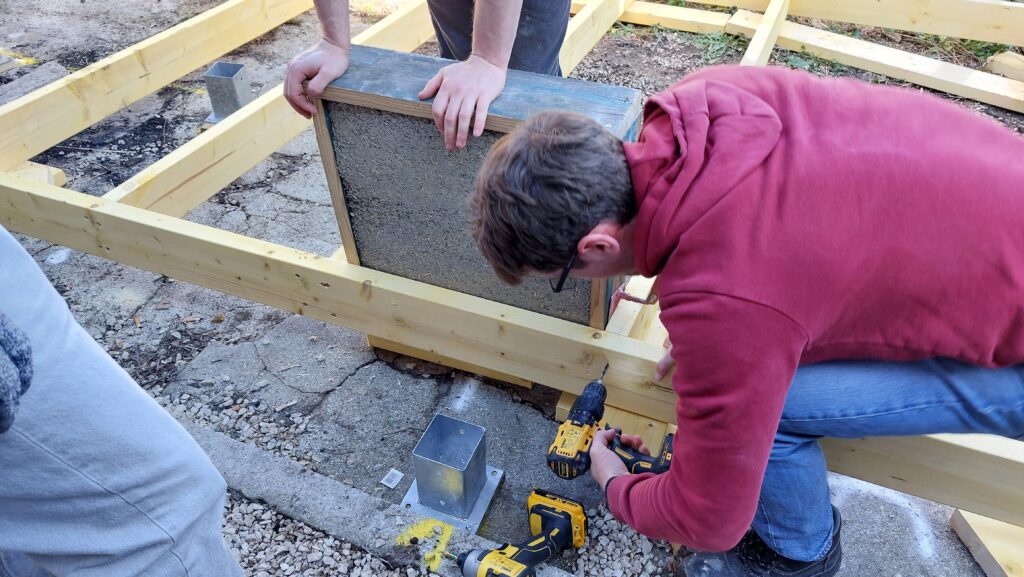
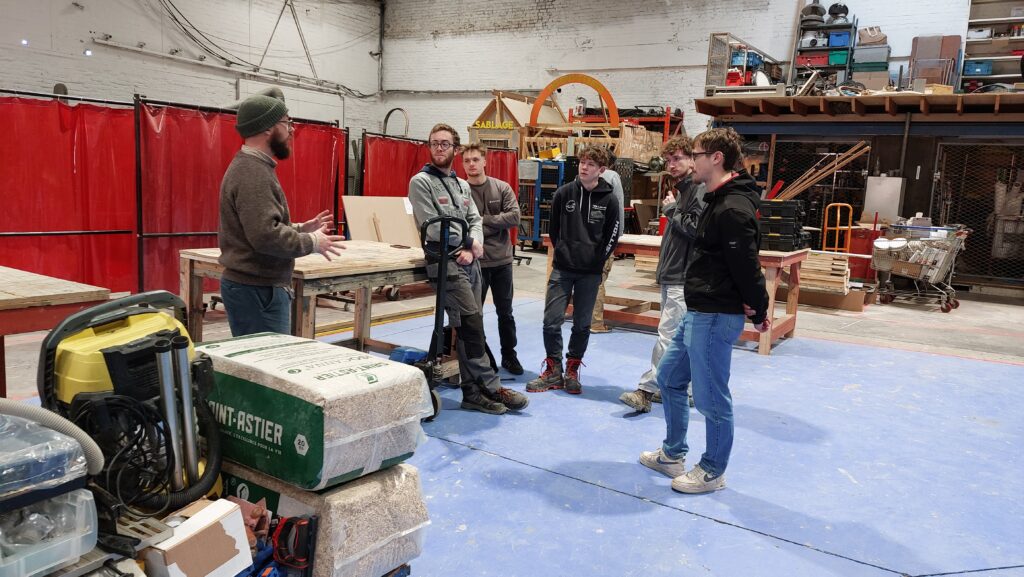
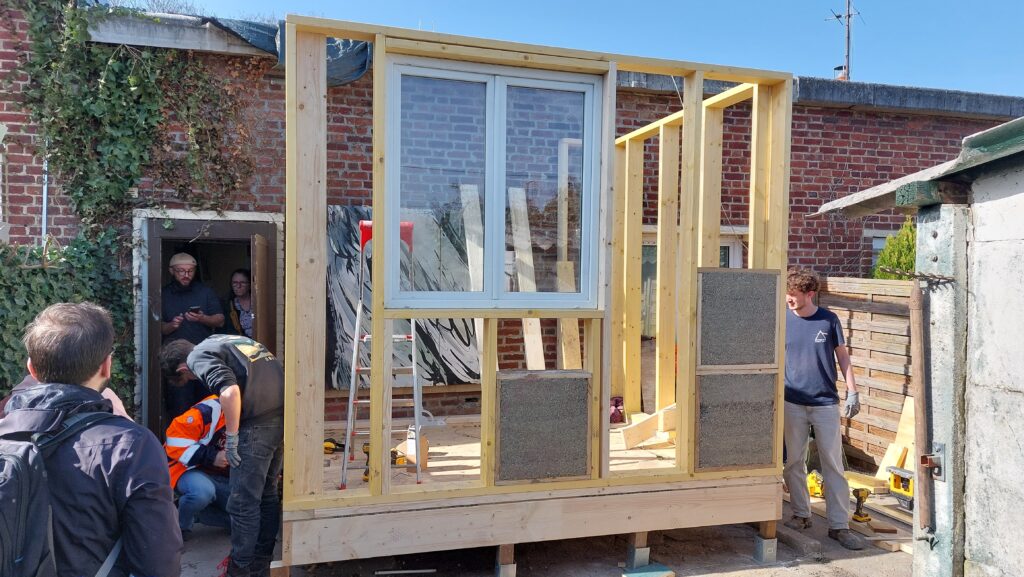
From March 2 to 5, third-year students in the initial training track of the BUT program, specializing in Construction, participated in the Meta Plateau Spring Project, in partnership with the Habiter 2030 association. This initiative enabled the development of innovative solutions for improving social housing. Working alongside the Compagnons du Devoir and students from LIDD, they designed, among other things, a bioclimatic greenhouse and a wooden addition.
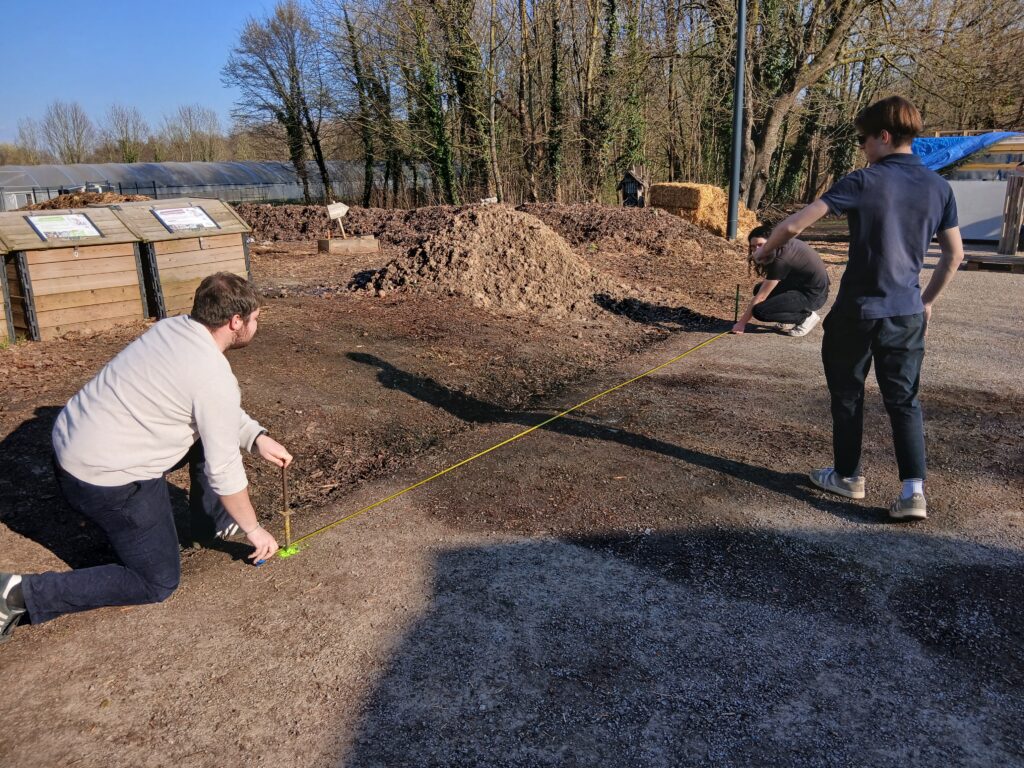
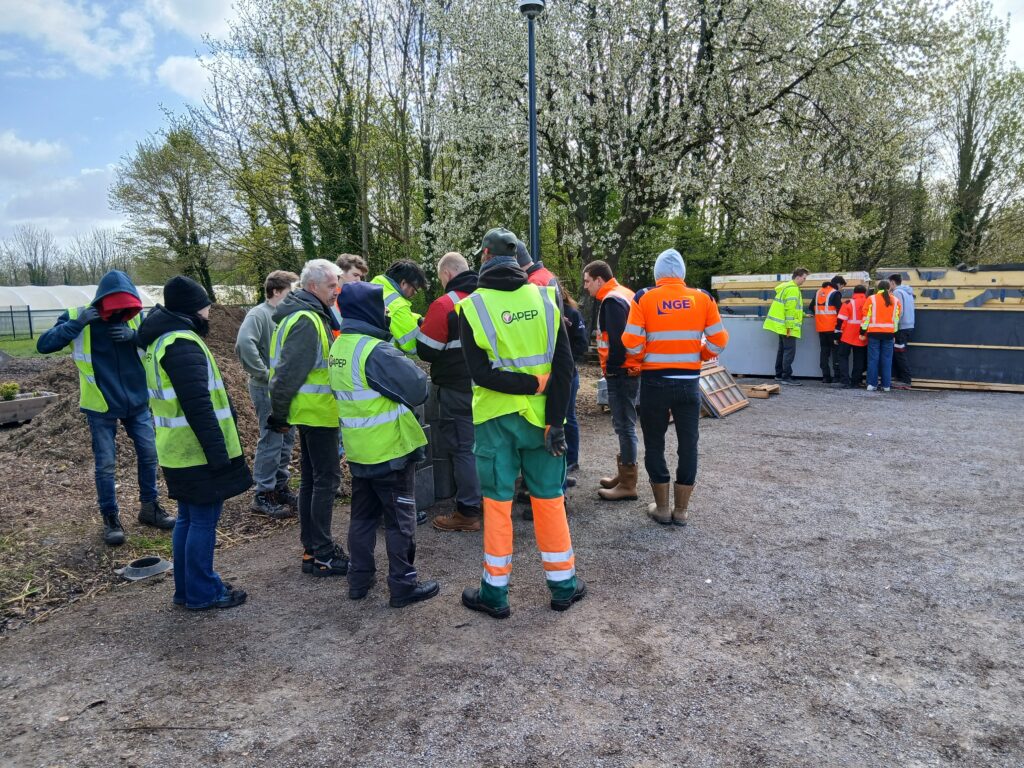
March 3 marked the launch of the Éco-habitat project, in partnership with CAPEP in Valenciennes, for BUT3 students in a work-study program. This ambitious project aims to build a participatory eco-habitat involving people in social reintegration programs. On this occasion, the students learned about CAPEP’s mission before conducting an initial site assessment at the Ferme du Galibot in Anzin.
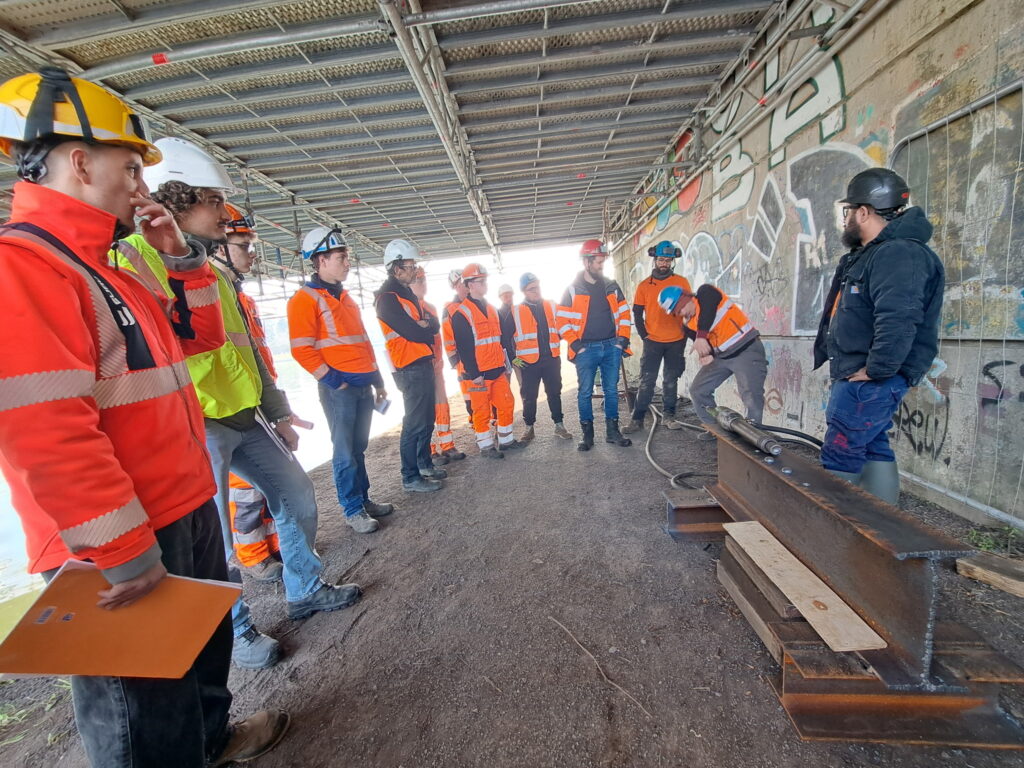
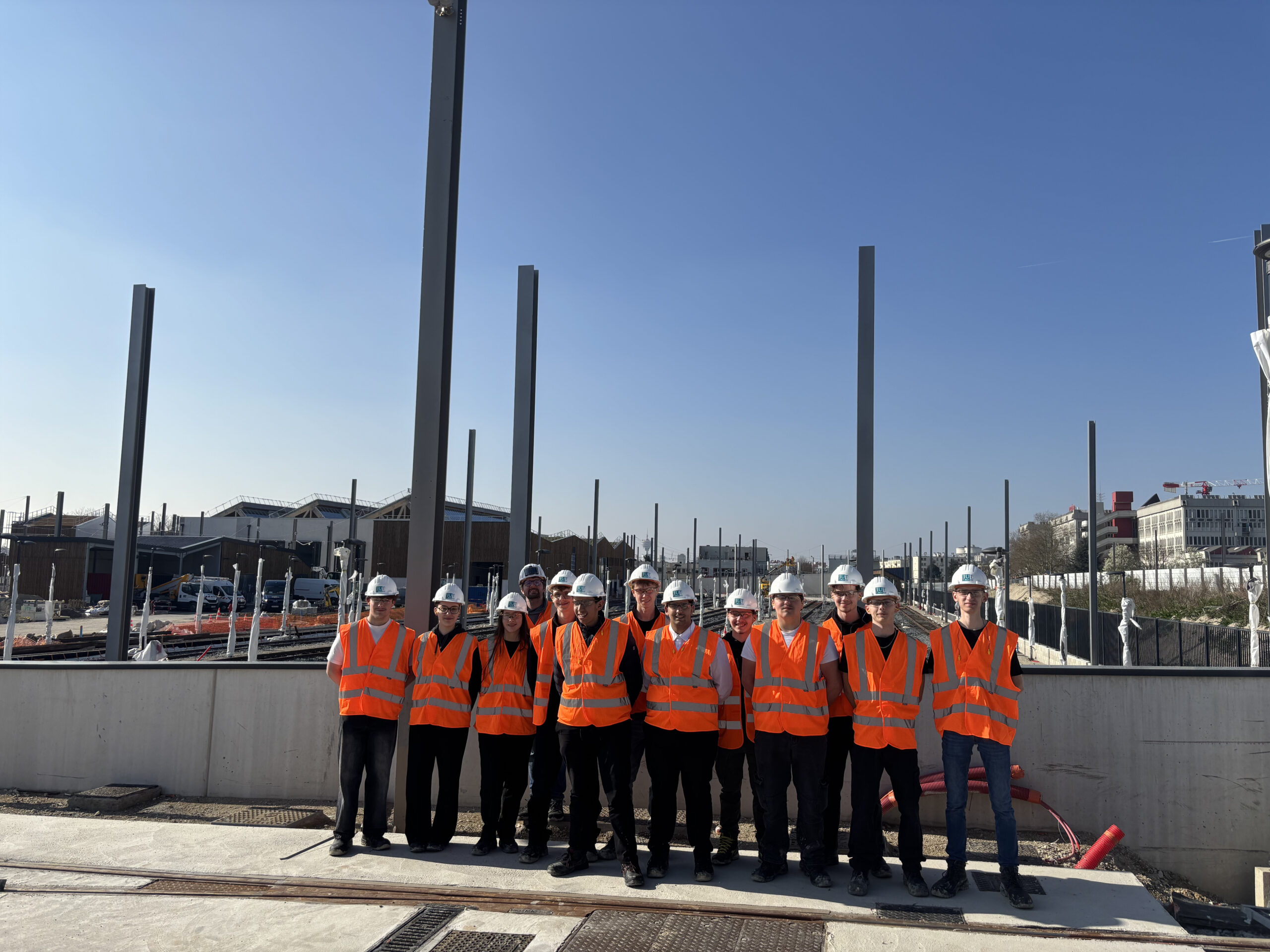
As part of an experiential learning approach, several field trips were organized throughout the month. On March 9, students in the BUT3 work-study program visited a civil engineering structure. On March 25, 26, and 27, various classes were also welcomed to construction sites by partner companies such as NGE, Eurovia, BC NORD, and Bouygues Construction.
At the same time, second-year students in the initial training program, specializing in Construction and BEC, received technical training provided by SIGA on March 12, 19, and 26. Focused on membranes and adhesives, this training aimed to help students master installation techniques in accordance with current standards (DTU) and deepen their understanding of heat transfer phenomena in buildings.
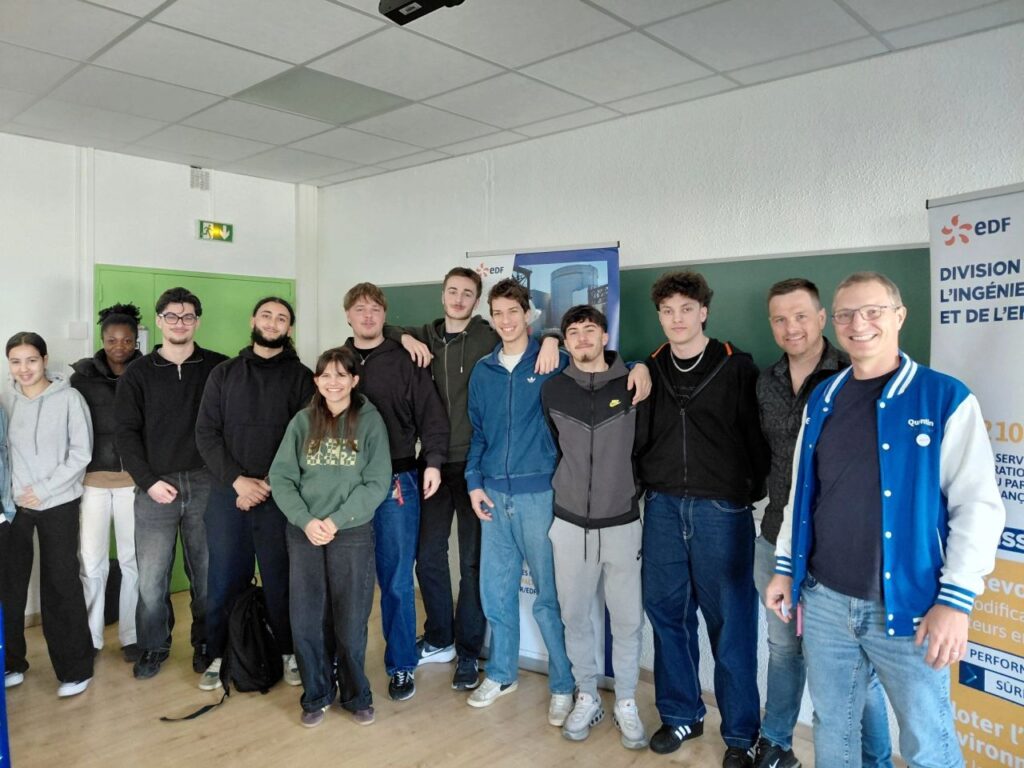
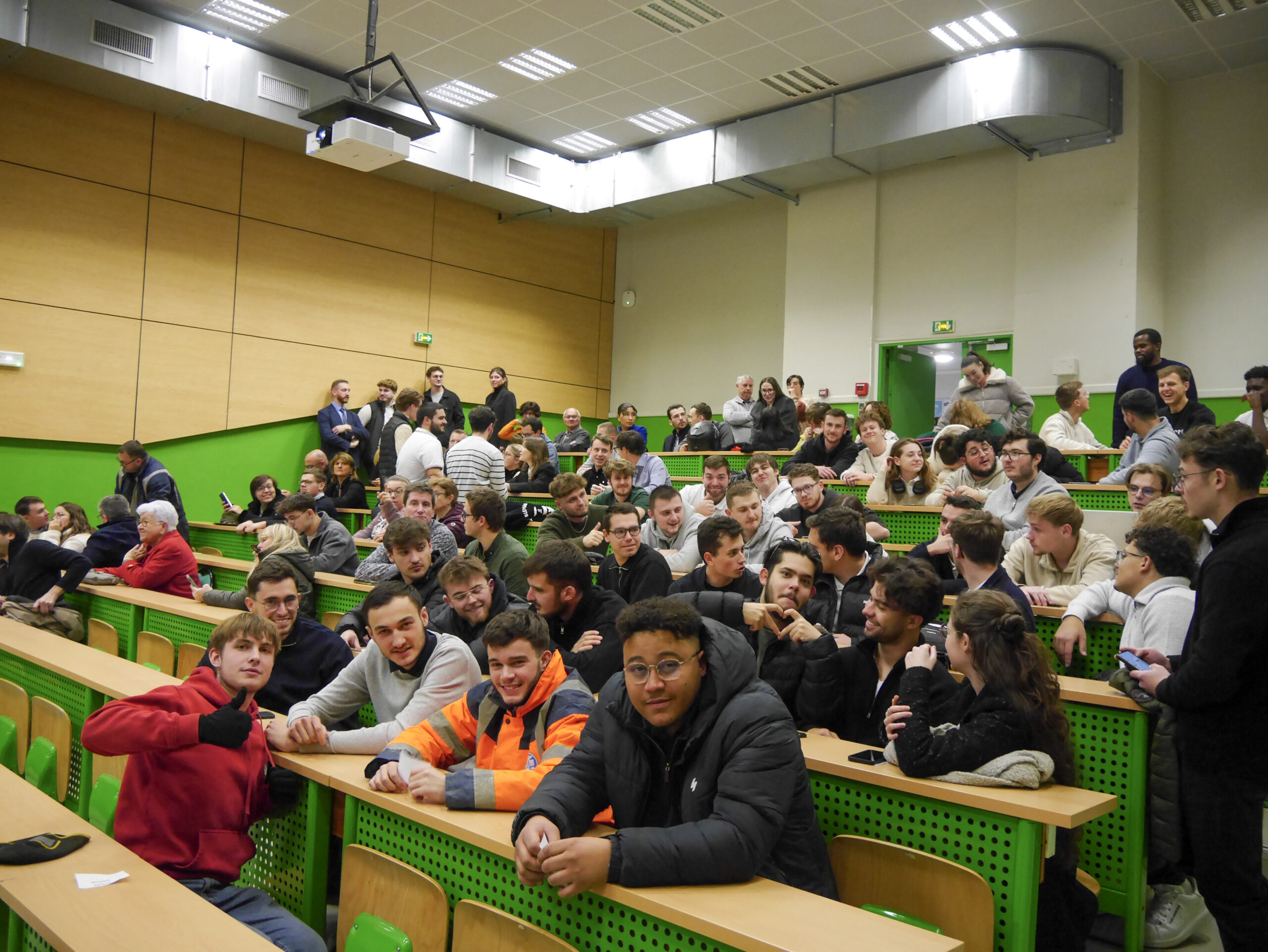
On March 12, first-year students participated in their second Career Day. During the event, they attended a lecture on the future prospects of the construction industry, led by Rodolphe Deborre, Director of Innovation and Ecological Renewal at Rabot Dutilleul. The day also featured eleven companies that came to engage with the students during roundtable discussions, thereby fostering the exchange of professional insights.
Finally, March 30 marked a key milestone with the laying of the cornerstone for the Éco-habitat project (mentioned earlier) at the Ferme du Galibot. This symbolic event also marked the official start of the participatory construction project, with the completion of the first foundations and the slab.
The IUT warmly commends the dedication of all students, faculty, and professional and community partners, whose commitment plays a vital role in ensuring the quality of our programs and projects.